Autoimmune Disease
The words autoimmune disease are used to encompass over 80 plus diseases people live with each day. Reports indicate somewhere between four percent to ten percent of the world’s population have an autoimmune disease, with up to twenty percent born with a genetic factor for developing one. That’s a mindboggling number, and it’s one that needs more diving into. Today, I will go over what it autoimmune disease means, common symptoms, and typical treatments.
What is an autoimmune disease?
Our immune system is complex. It functions to help us against bacteria, viruses, fungi, and it helps to identify cancerous cells. Its main job is to protect our bodies from foreign invasion. If something shouldn’t be there, it mounts an attack. This sounds marvelous, and for most people, it truly is, but what happens when the immune system recognizes its own healthy tissues and organs as foreign? That’s autoimmune disease in a nutshell.
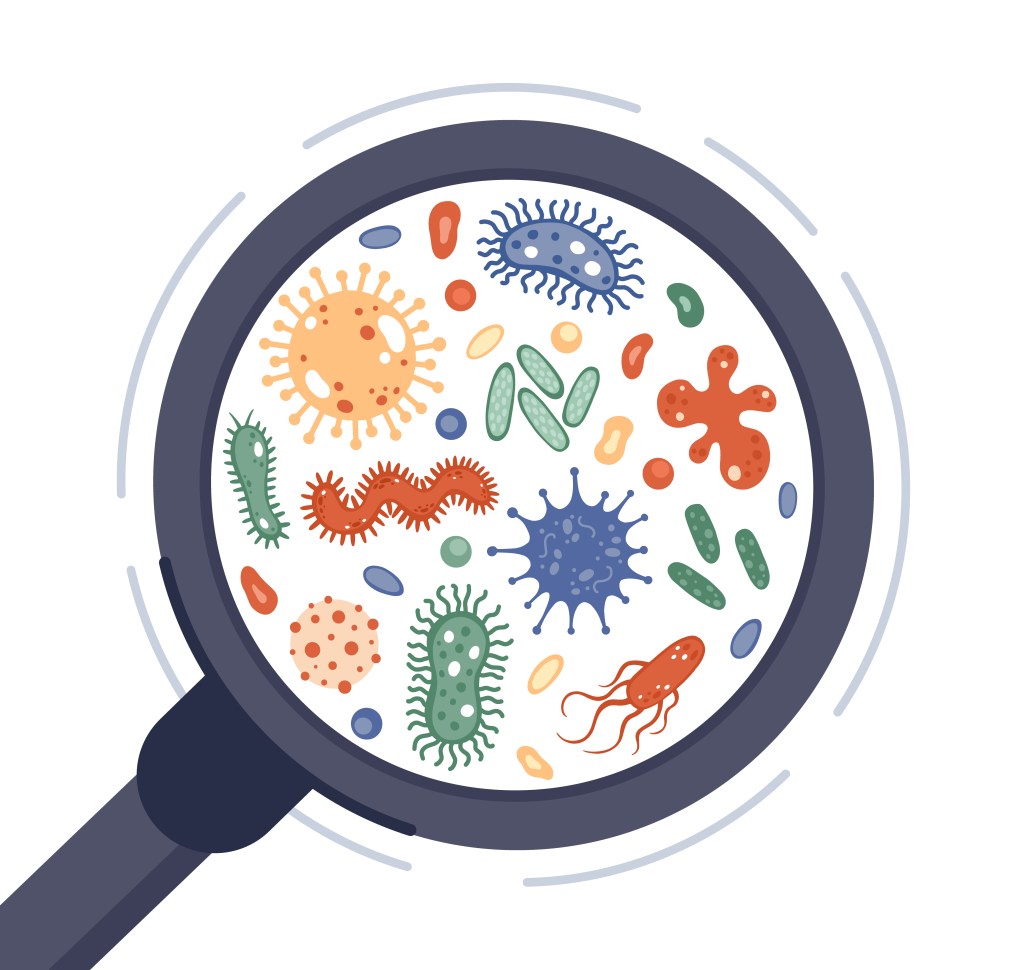
Our bodies constantly produce substances called antibodies. When we get a flu vaccination or childhood vaccines, we are introduced to these foreign invaders that seek to do us harm in either a live or attenuated version. This alerts our immune system to identify the invasion. In science class, we learned B cells, with the help of T cells, are activated by these foreign pathogens, which then rapidly changes into effector cells that produce proteins called antibodies. The crazy smart thing about our immune system is that each B cell forms a particular antibody related to the specific pathogen. Truly remarkable.
This whole process works well unless our bodies make antibodies against us. It’s like the Terminator going rampant against our tissues and organs. It doesn’t take a rocket scientist to figure out that’s not good. What’s worse? There are over 100 (yep, you read that right), recognized autoimmune diseases, and I fear that number will continue to rise.

What are common autoimmune diseases?
If you have a television or smart phone, then I bet you already know some common autoimmune diseases. Unless you’ve lived under a rock, or in a cave for the last hundred years, then you probably have heard about systemic lupus erythematosus, rheumatoid arthritis, Crohn’s disease, ulcerative colitis, type I diabetes mellitus, right?
These aren’t good, but there are too many others most people haven’t heard of, and if you’re ever diagnosed with them, then a quick Google search will terrify the strongest person into a quivering, wet puddle on the floor.
I know. I’ve been there.
What helps, though, is a deep, calming breath, and a good cup of tea, coffee, or heck, hot chocolate because the good news? Most people can live a long, happy life thanks to modern and alternative medicines.
A great relationship with your healthcare providers (yes, there should be a team), a good diet, a great sleep schedule, stress management, and daily exercise (remember, we’re not Rambo!) will give us a great shot at longevity.

But I’ve gotten way ahead of myself. Let’s talk about triggers! (Not that kind of trigger, folks;-))
What Causes Autoimmune Disease?
Unfortunately, we don’t know for certain. BUT we do have some strong theories.
- We’ve discussed infections. Viruses, bacteria, and fungi can all trigger the cascade of events leading to autoimmune disease development.
- Also, genetics play a huge role. If there is a family lineage of autoimmune disease, then your chances of being diagnosed with one go up.
- Additionally, toxic metals like mercury, agricultural chemicals, or environmental factors such as cigarette smoke have been linked (think rheumatoid arthritis). If there is a genetic predisposition for autoimmune disease, then direct sunlight can trigger the development of one (think juvenile dermatomyositis, systemic lupus, discoid lupus, or rheumatoid arthritis).
- Also, childhood poverty and poor nutrition may also lead to autoimmune disease.
- Oh, and don’t forget stress. Stress is a huge problem for triggering it and also exacerbating an existing autoimmune disease.
- Certain medications can induce an autoimmune disease.
- Being female. Yes, ladies, 78% of autoimmune diagnoses are in females.
- Obesity
Remember, not everyone that has a genetic factor for autoimmune disease gets one. There must be a trigger.
Symptoms of Autoimmune Disease
Okay, we know what it is, we know potential causes, but what are the symptoms?
For each autoimmune disease, there are telltale symptoms, but I’ll list the most common ones. If you experience any number of these, please check with your primary care physician.
· Fever
· Malaise, fatigue, exhaustion
· Joint pain/joint swelling
· Swollen glands
· Skin rash, skin redness
· Stomach pain
· Intestinal pain/issues with digestion
· A general sick feeling
How is it Diagnosed?
If there are symptoms, and it’s time to see a doctor, then what will they do? First, the primary care practitioner will take a detailed medical history, including symptoms, and then perform a physical exam. After that there are laboratory tests they perform to check for markers. Really, it’s a matter of exclusion for lots of these diseases. The most common tests are listed below:
· Antinuclear antibody test (ANA)
· Urinalysis
· Complete blood count (CBC)
· Erythrocyte sedimentation rate (ESR)
· C-reactive protein (CRP)
· Comprehensive metabolic panel
If they suspect lupus or rheumatoid arthritis, then they’ll most likely check anti double stranded DNA (anti-dsDNA), complement panels (C3, C4), and rheumatoid factor. They may also check clotting times. Protein levels are used as an indication of inflammation.
Treatment Options
Okay, we have a diagnosis. Now what?
The main goal of therapy is to control the disease, slow progression, and treat symptoms to improve overall quality of life. This may include immunosuppressive medications, supplements (vitamin B12), insulin (if the body lacks it), blood transfusions depending on the disease, organ transplants if necessary, and physical therapy to deal with stiff joints and arthritis.
Depending on the severity, monitoring of the disease state may be weekly, monthly, twice yearly, or every year. It really runs the gambit. The best thing for peace of mind and overall health is to have a strong working relationship with the medical team, which can include physical therapists, primary care practitioners, medical specialists (rheumatologists, gastroenterologists, dermatologists, etc…), pharmacists, and nurses.
Having an advocate will also give you peace of mind. Whether that’s with a pharmacist, nurse, parent, sibling, or family friends, advocates are simply the best. It may be as simple as holding a hand while receiving treatment or lending an ear when times get frustrating.

Wrap Up
This was all a lot of information wrapped up in a tiny package. There is a ton more on each specific autoimmune disease, and I intend to cover that in other posts. I, too, live with an autoimmune disease (more than one), and it’s incredibly important to spread the word about these diseases and how to manage them. While there may not be a cure, that might be around the corner. So, don’t give up hope. I haven’t. Until then, we take what we know and arm ourselves with the knowledge of how to improve ourselves. After all, knowledge is power.
I hope this post was informative and not overwhelming. If you have any comments, I’d love to hear them. If you want to just reach out via email, then please do that. Just remember that you’re not alone. Over 324,000,000 people have an autoimmune disease around the world. That’s just if only four percent of the world’s population has one. That’s a lot of people, and with numbers there is power. Let’s make our voices heard.
Until next time,
Yours in health,
Dr. Kat
P.S. This is for informational purposes only! Please consult with your medical team for issues. They know you best!
References:
1. Medline Plus. “Autoimmune Disorders: MedlinePlus Medical Encyclopedia.” Medlineplus.gov, 2017, medlineplus.gov/ency/article/000816.htm.
2. “Autoimmune Disorders Information | Mount Sinai – New York.” Mount Sinai Health System, http://www.mountsinai.org/health-library/diseases-conditions/autoimmune-disorders.
3. National Institute of Environmental Health Sciences. “Autoimmune Diseases.” National Institute of Environmental Health Sciences, 2018, http://www.niehs.nih.gov/health/topics/conditions/autoimmune/index.cfm.
4. “Autoimmune Disease List.” Global Autoimmune Institute, http://www.autoimmuneinstitute.org/resources/autoimmune-disease-list/.
5. Hoffman, Matthew. “What Are Autoimmune Disorders?” WebMD, WebMD, 5 May 2022, http://www.webmd.com/a-to-z-guides/autoimmune-diseases.
6. News, Neuroscience. “1 in 10 People Suffer from Autoimmune Diseases.” Neuroscience News, 9 May 2023, neurosciencenews.com/population-autoimmune-disease-23198/#:~:text=Key%20Facts%3A.
7. “World Population Clock: 8.1 Billion People (LIVE, 2023) – Worldometer.” Www.worldometers.info, http://www.worldometers.info/world-population/#:~:text=8.1%20Billion%20(current).
8. Alberts, Bruce, et al. “B Cells and Antibodies.” Molecular Biology of the Cell. 4th Edition, 2002, http://www.ncbi.nlm.nih.gov/books/NBK26884/#:~:text=Each%20B%20cell%20produces%20a.
9. “Anti-DsDNA Test.” Testing.com, 1 July 2021, http://www.testing.com/tests/anti-dsdna/#:~:text=A%20high%20level%20of%20anti.

 Innovations Medication Management